
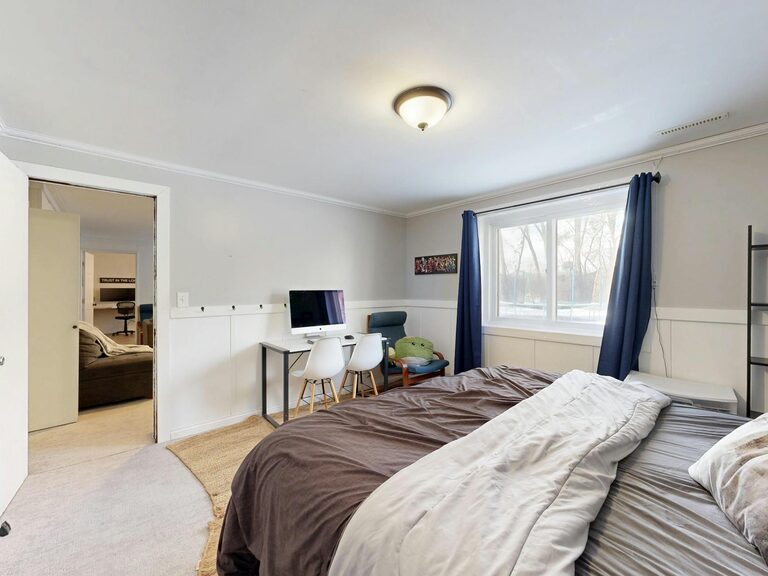
Creating a calm and quiet environment at home can significantly improve your comfort, focus, and overall well-being. However, noise from both inside and outside the house can be a common source of stress. Fortunately, there are simple, practical steps you can take to reduce noise levels without breaking the bank or undertaking major renovations. This guide will walk you through straightforward ways to make your home a quieter, more relaxing space.
Understanding Common Sources of Noise at Home
Before tackling noise reduction, it helps to identify where most sounds come from. Common sources include:
– Traffic or street noise through windows and doors
– Sounds from neighbors, such as footsteps or loud conversations
– Household appliances like washing machines, dishwashers, and HVAC systems
– Echoes and reverberations in rooms with hard surfaces
– Electronic devices such as televisions and speakers
Knowing the types of noise that bother you the most will help you focus on the most effective solutions.
Easy Steps to Reduce Noise From Outside
1. Seal Windows and Doors
Drafts aren’t just about temperature loss—they also let noise in. Use weatherstripping or door sweeps to seal gaps around windows and exterior doors. Heavy curtains or soundproof window inserts can further block outside noise.
2. Add Outdoor Barriers
If you have a yard or garden, planting thick shrubs or installing a fence can act as a natural sound barrier. Even a row of tall plants near your windows can help absorb and deflect noise.
3. Rearrange Your Space
Consider moving your bedroom or frequently used rooms away from noisy windows or walls that face the street. Placing bookshelves or wardrobes along these walls adds extra insulation against sound.
Reducing Noise Inside Your Home
4. Use Soft Furnishings
Hard floors and bare walls can amplify sound. Adding rugs or carpets helps absorb noise, making rooms quieter. Similarly, curtains, cushions, and upholstered furniture all work to dampen echoes.
5. Install Door and Window Treatments
Beyond curtains, foam panels or acoustic curtains specifically designed for soundproofing provide better noise control. For doors, consider installing solid-core doors instead of hollow ones, which block sound more effectively.
6. Minimize Appliance Noise
Keep appliances like refrigerators, washing machines, and air conditioners well maintained to reduce operational noise. Placing rubber mats beneath them can reduce vibrations that travel through floors.
Creating Quiet Zones and Managing Noise
7. Designate Quiet Spaces
If possible, create a dedicated quiet room or corner where noise is minimized. Adding soft materials and keeping this space free of noisy electronics helps make it a peaceful retreat.
8. Use White Noise or Sound Machines
White noise devices or apps can mask unwanted background sounds by producing gentle, consistent noise like rain, waves, or fan sounds. This can be very helpful for better sleep and concentration.
9. Arrange Furniture Strategically
Strategic furniture placement can block or absorb sound. Tall bookshelves filled with books, or large cushions and beanbags, provide extra noise absorption.
Additional Tips for Noise Reduction Success
– Maintain your HVAC system: Regular cleaning and servicing reduce noise caused by equipment.
– Use rugs on stairs: Carpet runners lessen the sound of footsteps.
– Consider acoustic panels: Decorative acoustic tiles can be mounted on walls or ceilings for improved soundproofing.
– Keep pet noise down: Train pets to reduce loud barking or scratching.
– Communicate with neighbors: If noise originates from neighbors, a friendly conversation can sometimes solve issues without conflict.
Conclusion
Reducing noise at home doesn’t have to be complicated or expensive. By sealing gaps, softening surfaces, and arranging your space thoughtfully, you can create a calmer and quieter environment. These simple changes help you enjoy greater peace, better sleep, and improved focus in your daily life. Start with small steps and see how much difference a quieter home can make!
