
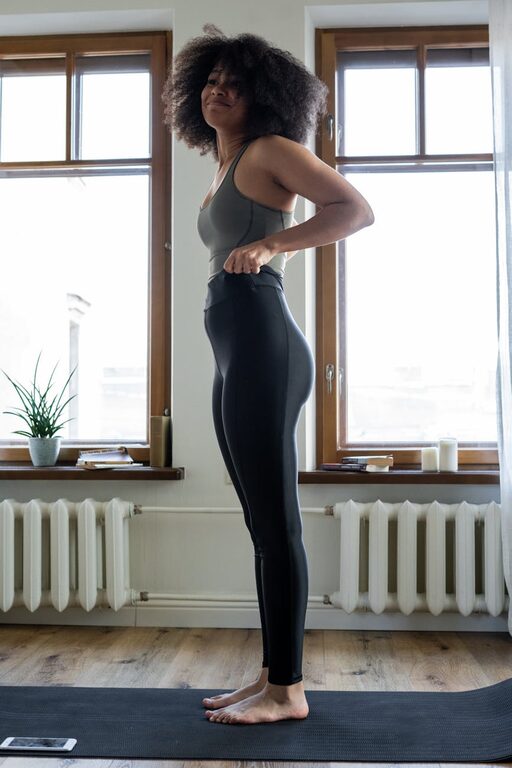
Stretching is a simple yet powerful way to improve your overall fitness and well-being. Whether you’re looking to increase flexibility, reduce muscle tension, or simply add a relaxing routine to your day, stretching at home offers a convenient solution. This beginner’s guide will walk you through the basics of stretching, show you how to create an effective routine, and provide tips to stay safe and motivated.
Why Stretch at Home?
Stretching regularly helps maintain healthy muscles and joints, improves posture, and can even enhance circulation. Doing it at home means you don’t need special equipment or a lot of time—just a little space and a positive mindset.
Benefits of stretching at home include:
– Increased flexibility and range of motion
– Reduced muscle stiffness and soreness
– Better posture and reduced risk of injury
– Stress relief and relaxation
– Improved circulation and energy levels
Types of Stretching to Know
Before you start, it’s helpful to understand the two main types of stretching: static and dynamic.
Static Stretching
Static stretches involve holding a stretch in one position for 20-60 seconds. This type is great for cooling down after exercise or improving flexibility over time.
Dynamic Stretching
Dynamic stretches involve moving parts of your body through a full range of motion repeatedly in a controlled way. These are ideal before workouts to warm up muscles.
Getting Started: Basic Stretching Routine
Here’s a simple stretching routine designed for beginners that you can do at home. It targets major muscle groups and takes about 10-15 minutes.
Warm Up First
Before stretching, it’s important to warm up your muscles for 5 minutes. You can do light cardio like marching in place, gentle walking, or arm circles.
Stretching Exercises
#### 1. Neck Stretch
– Sit or stand tall.
– Slowly tilt your head to one side, bringing your ear towards your shoulder.
– Hold for 20 seconds, feeling a gentle stretch along the side of your neck.
– Repeat on the other side.
#### 2. Shoulder Stretch
– Bring your right arm across your chest.
– Use your left arm to gently press the right arm closer to your chest.
– Hold for 20-30 seconds.
– Switch arms.
#### 3. Triceps Stretch
– Raise your right arm and bend the elbow to reach down your back.
– Use your left hand to gently press your right elbow.
– Hold for 20-30 seconds.
– Switch sides.
#### 4. Chest Stretch
– Stand in a doorway and place your hands and forearms on the doorframe with elbows at shoulder height.
– Step one foot forward and lean gently into the stretch.
– Hold for 20-30 seconds.
#### 5. Cat-Cow Stretch (Back)
– Get on your hands and knees.
– Arch your back up like a cat, tucking your chin.
– Then lower your belly and lift your head and tailbone, forming a dip.
– Flow slowly between the two poses for 30 seconds.
#### 6. Hamstring Stretch
– Sit on the floor with one leg extended and the other bent.
– Reach towards the toes of the extended leg without forcing.
– Hold for 20-30 seconds.
– Switch legs.
#### 7. Quadriceps Stretch
– Stand tall, hold onto a wall or chair for balance.
– Bend your right knee and grab your right ankle behind you.
– Pull your ankle gently toward your glutes.
– Hold for 20-30 seconds.
– Switch legs.
#### 8. Calf Stretch
– Stand facing a wall, place your hands on it.
– Step one foot back and press the heel to the floor.
– Hold for 20-30 seconds.
– Switch sides.
Tips for Safe and Effective Stretching
– Breathe deeply: Avoid holding your breath; steady breathing helps your muscles relax.
– Don’t bounce: Move into stretches slowly and hold without jerking.
– Stretch both sides evenly: Even if one side feels tighter, make sure to stretch both equally.
– Listen to your body: Stretch to a comfortable point; you should feel tension but not pain.
– Consistency is key: Aim to stretch at least 3-4 times a week for noticeable benefits.
Creating a Stretching Habit
Making stretching a regular part of your routine can be easy with these ideas:
– Stretch first thing in the morning to gently wake up your body.
– Incorporate stretching breaks during long periods of sitting.
– Pair stretching with calming activities like listening to soft music or meditation to enhance relaxation.
– Use reminders or apps to help you stay consistent.
– Celebrate small improvements in flexibility to keep motivated.
When to Avoid Stretching
While stretching is generally safe, avoid it if:
– You have an acute injury, such as a sprain or strain.
– You feel sharp or severe pain during stretches.
– You have specific medical conditions—check with your healthcare professional if unsure.
Final Thoughts
Stretching at home is a wonderful way to invest in your health without the need for special equipment or memberships. By starting with these basic stretches and following the tips outlined here, you can enjoy greater flexibility, reduced tension, and improved overall comfort. Remember, the key is to be gentle, consistent, and mindful of your body’s signals. Happy stretching!
